Menu
Businesses importing freight through New Jersey ports often hear the terms drayage and intermodal used interchangeably, but the truth is…they actually serve very different purposes.
Understanding how these services work together can help importers plan more efficient shipments and avoid unnecessary transportation costs. Choosing the right service at the right stage of the shipping process improves reliability and keeps freight moving smoothly.
Drayage and intermodal transportation both play important roles in the movement of containerized freight. Knowing how each service works makes it easier to build a cost-effective logistics strategy. We explore the possibilities in this blog post.
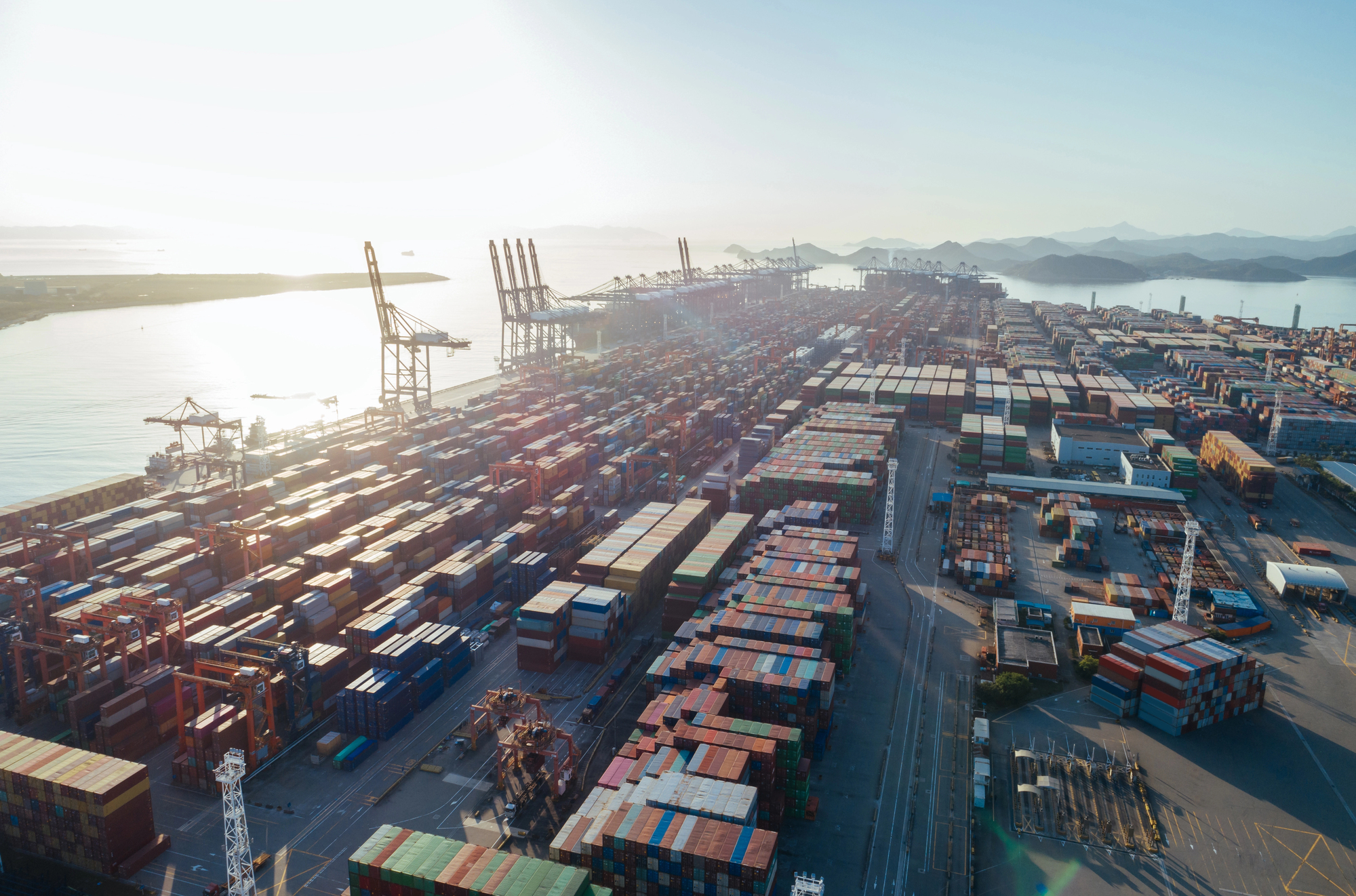
Container drayage refers to the short-distance transportation of shipping containers, typically between ports, rail yards, and warehouse facilities. Drayage is a critical step in moving containers from marine terminals to their next destination.
For New Jersey importers, drayage usually involves transporting containers from port terminals to nearby rail ramps or storage facilities.
Businesses using Drayage Services can move containers quickly out of congested port areas and into the next stage of the transportation process.
Without reliable drayage, containers can sit at terminals longer than necessary, increasing the risk of demurrage charges and delivery delays.
Intermodal transportation involves using multiple transportation methods, most commonly truck and rail, to move containers over long distances. Unlike drayage, intermodal shipping is designed for extended transportation rather than short local moves.
Importers moving freight beyond New Jersey often rely on Intermodal Transportation Services to transport containers efficiently to inland destinations.
Intermodal shipping allows businesses to reduce transportation costs while maintaining consistent delivery schedules.
Drayage and intermodal transportation are not competing services. They are complementary parts of the same logistics process.
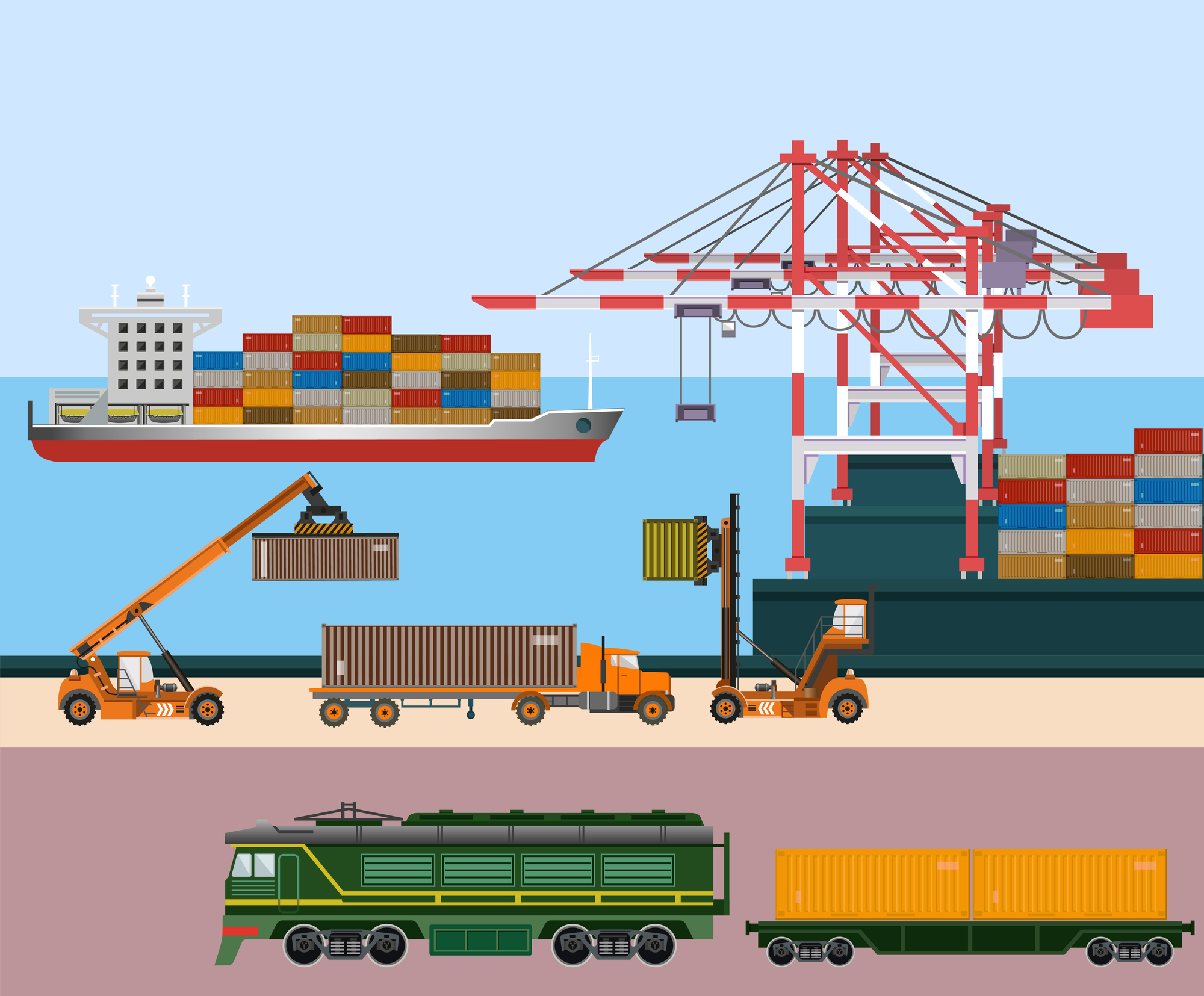
Drayage is typically the first step after containers arrive at the port. Trucks transport containers to rail terminals where intermodal transportation begins. After rail delivery, drayage is often used again to complete the final leg of the shipment.
Many importers rely on providers that also offer Cross-Docking Services to transfer freight quickly between transportation methods without long-term storage.
This combination creates a seamless flow from port arrival to final delivery.
Drayage is ideal for shipments staying within the New Jersey region or moving to nearby distribution centers. Short-distance container transport is faster and more practical using trucks alone.
Businesses that need immediate distribution often combine drayage with Warehousing Services to stage and distribute inventory locally.
This approach works well for companies serving customers throughout New Jersey and the Northeast.
Intermodal transportation is better suited for shipments traveling longer distances. Rail transportation reduces costs and improves fuel efficiency for cross-country moves.
Importers shipping freight beyond the Northeast often benefit from combining rail transportation with truck delivery for the final leg of the journey.
Using both drayage and intermodal transportation allows businesses to balance cost savings with delivery speed.