Menu
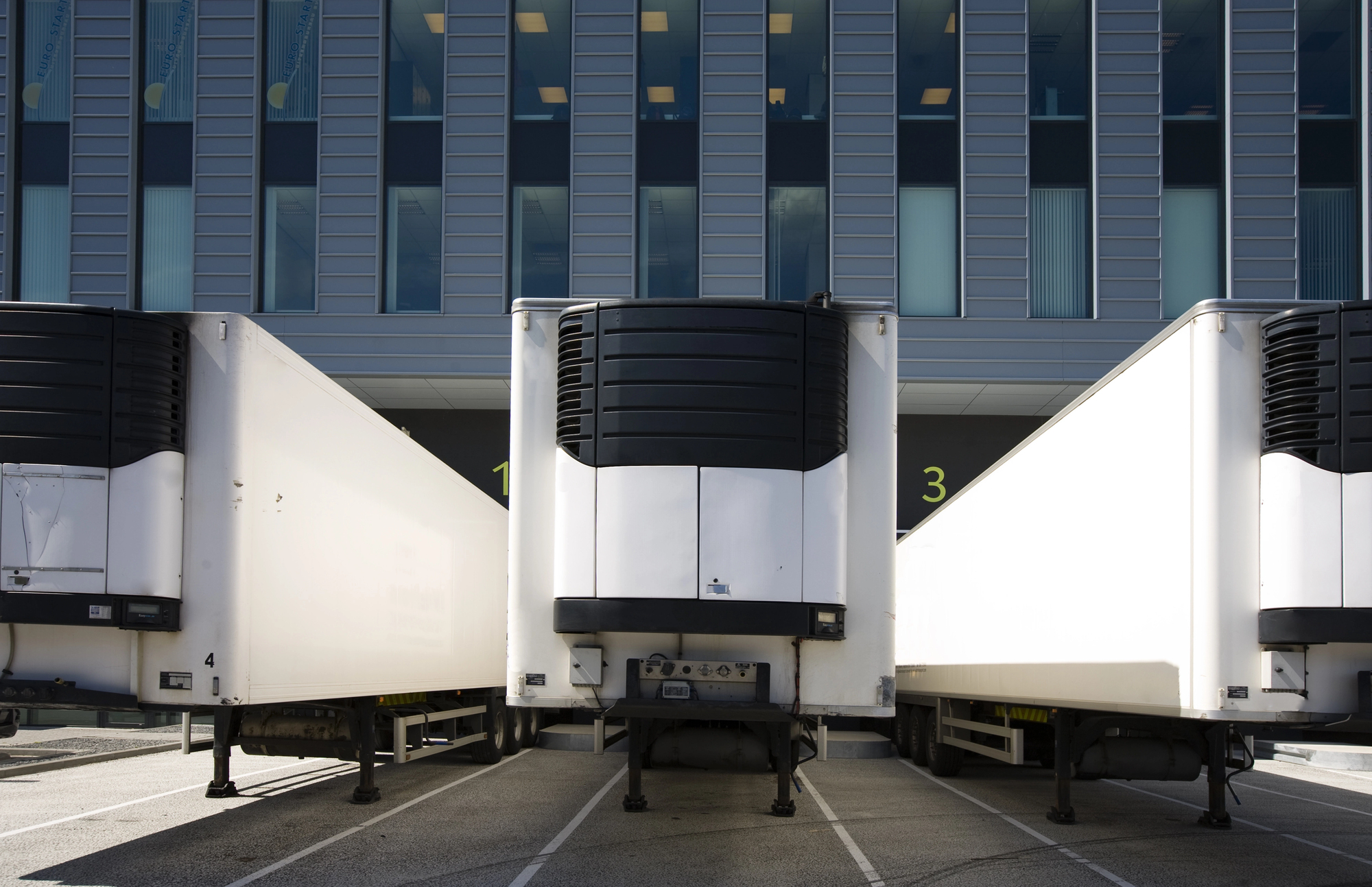
A refrigerated container cannot simply be parked wherever space happens to be available. If the refrigeration unit loses power, the cargo inside may begin drifting outside its required temperature range. For an importer, a short scheduling delay can quickly become a product-quality problem.
Powered reefer container storage in New Jersey gives temperature-sensitive freight a place to wait when it cannot move directly from the port to its destination. The container can remain connected to shore power while the importer coordinates its delivery, receiving appointment, or next transportation step.
Ideally, a reefer container leaves the terminal and travels directly to a prepared receiver. The real world, as usual, may have other plans.
A distribution center may not have an appointment available. The receiving facility could be short on space or labor. Documentation might take longer than expected, or the shipment may arrive several days before the consignee is ready.
When one of these situations occurs, leaving the container at the terminal may increase the risk of demurrage charges. Moving it to an unequipped storage yard is not a safe alternative if the refrigeration unit must remain operational.
A powered storage facility creates a temporary stop between port pickup and final delivery. It can be particularly useful for imported food, beverages, frozen goods, pharmaceuticals, and other products with defined temperature requirements.
For a broader overview of advance planning, read Reefer Container Storage: What Importers Need to Know Before Their Cargo Arrives.
Powered reefer storage allows a refrigerated container to connect to an external electrical source while it is parked. This connection is commonly called shore power.
The container’s refrigeration unit continues operating at its designated setting without depending entirely on a portable generator. Shore power does not cool or repair the cargo independently. It supplies the electricity the reefer unit needs to maintain its programmed conditions.
Before arranging storage, the provider should receive the container type, required temperature setting, commodity, expected storage period, and any monitoring or reporting instructions.
Everlast’s New Jersey warehousing services include shore power and storage options for refrigerated containers.
New Jersey sits at a major intersection of marine terminals, rail ramps, highways, warehouses, and densely populated consumer markets. That access makes it a natural distribution point, but it also means reefer moves often involve several tightly scheduled handoffs.
A storage location should fit into the shipment’s route. Sending a container far out of the way may add mileage, time, and another round of scheduling to an already sensitive move.
Importers should consider how the facility connects to the pickup terminal, final receiver, empty-container return location, and any required warehouse services. Everlast’s New Jersey logistics network supports drayage, warehousing, transloading, cross-docking, and related transportation needs.
The closer those pieces are coordinated, the less likely the importer is to end up playing phone tag while a refrigerated container waits for instructions.
Begin with the cargo requirements. The provider needs the commodity, required temperature setting, acceptable temperature range, container number, steamship line, and anticipated storage duration.
Next, provide the shipment schedule. That includes the estimated arrival, terminal availability, last free day, requested pickup, delivery appointment, and empty-return requirements. If the container is not yet available, make that clear so the storage and transportation plan can remain flexible.
Importers should also ask how the container will be connected to power and monitored during storage. Discuss what happens if the reefer unit sends an alarm, loses power, or shows an unexpected temperature reading. Responsibilities should be clear before the container arrives, not debated beside a blinking control panel at midnight.
Powered storage may give an importer another option when the receiver cannot immediately accept a reefer container. Moving the container away from the terminal before free time expires can help reduce demurrage exposure, provided that it has been released and pickup can be completed.
However, removing the container from the terminal does not end every timing concern. The ocean carrier’s equipment must still be returned according to the applicable terms. If it remains outside the terminal too long, detention charges may apply.
The best plan accounts for the entire container cycle, including terminal pickup, powered storage, final delivery, unloading, and empty return. Everlast’s guide to demurrage and detention explains where each charge may arise.
Storage should be treated as part of the transportation plan rather than the final destination.
Once the receiver is ready, the container may continue intact to the delivery location. In other situations, the cargo may need to be cross-docked or transloaded, depending on its handling requirements and the services available.
The provider should know whether the container will be live-unloaded, dropped, or unloaded at a warehouse. It also needs instructions for returning the empty equipment. Planning these details early helps prevent a temporary storage solution from becoming a longer and more expensive stay.
The best time to arrange a backup destination is before a reefer container becomes available at the terminal. Importers should identify the required temperature, expected timeline, receiving constraints, and empty-return plan while there is still room to adjust.
Everlast Logistics provides shore power, secure container storage, warehousing, and transportation support in New Jersey. Request a freight quote to discuss the container, cargo requirements, anticipated schedule, and final destination.
The reefer unit requires a power source to maintain the container’s programmed conditions. Depending on the situation, that power may come from shore power or a generator set.
Potentially, yes. Short-term powered storage can be useful when the container must leave the terminal but the receiver is not yet available. Capacity and requirements should be confirmed in advance.
Moving a container before terminal free time expires may reduce demurrage exposure, but detention can still apply if the equipment is not returned within the allowed period. Terms vary by carrier and shipment.