Menu
An overweight container drayage quote requires more than a container number and delivery address. Weight limits can change based on the equipment, axle configuration, route, and local regulations, so the drayage provider needs a complete picture of the shipment before determining how it can be transported.
Providing the right information upfront helps the carrier select suitable equipment, evaluate potential permit requirements, and avoid preventable delays. It also produces a more accurate quote. Otherwise, everyone is pricing a puzzle with a few important pieces still hiding under the couch.
Start with the basic container information. The provider needs to know whether the shipment is moving in a 20-foot, 40-foot, 40-foot high-cube, refrigerated, open-top, flat-rack, or another container type.
Container size matters because it affects equipment selection and weight distribution. A heavy 20-foot container, for example, can present different axle-weight challenges than the same cargo spread across a 40-foot container.
If the container is refrigerated, mention that immediately. A reefer container has its own tare weight, equipment considerations, and temperature requirements.
An overweight drayage provider needs the verified cargo weight, container tare weight, and total gross weight whenever those figures are available.
Do not rely on a rough estimate if accurate shipping documents exist. A small difference on paper can become a much larger issue at a scale house, especially when the load is already approaching a legal limit.
Weight distribution matters, too. Even if a shipment’s total weight appears manageable, an unevenly loaded container could place too much weight over an individual axle. Tell the provider how the cargo is loaded, including whether it is floor-loaded, palletized, concentrated in one area, or distributed throughout the container.
Everlast Logistics provides overweight shipping services using specialized equipment for heavy containerized freight. Its guide to equipment for moving overweight loads also explains how equipment selection changes with the shipment’s size, weight, and configuration.
The provider needs an accurate description of the cargo. Dense products such as steel, stone, tile, machinery, raw materials, and construction products commonly create overweight container concerns.
The commodity can also introduce requirements unrelated to weight. Hazardous materials may require endorsed drivers, documentation, placards, or routing considerations. Food, pharmaceutical, and temperature-sensitive products can have additional handling requirements.
Include the product description, packaging type, number of pieces or pallets, and any special handling instructions. If a safety data sheet applies, make it available during the quoting process.
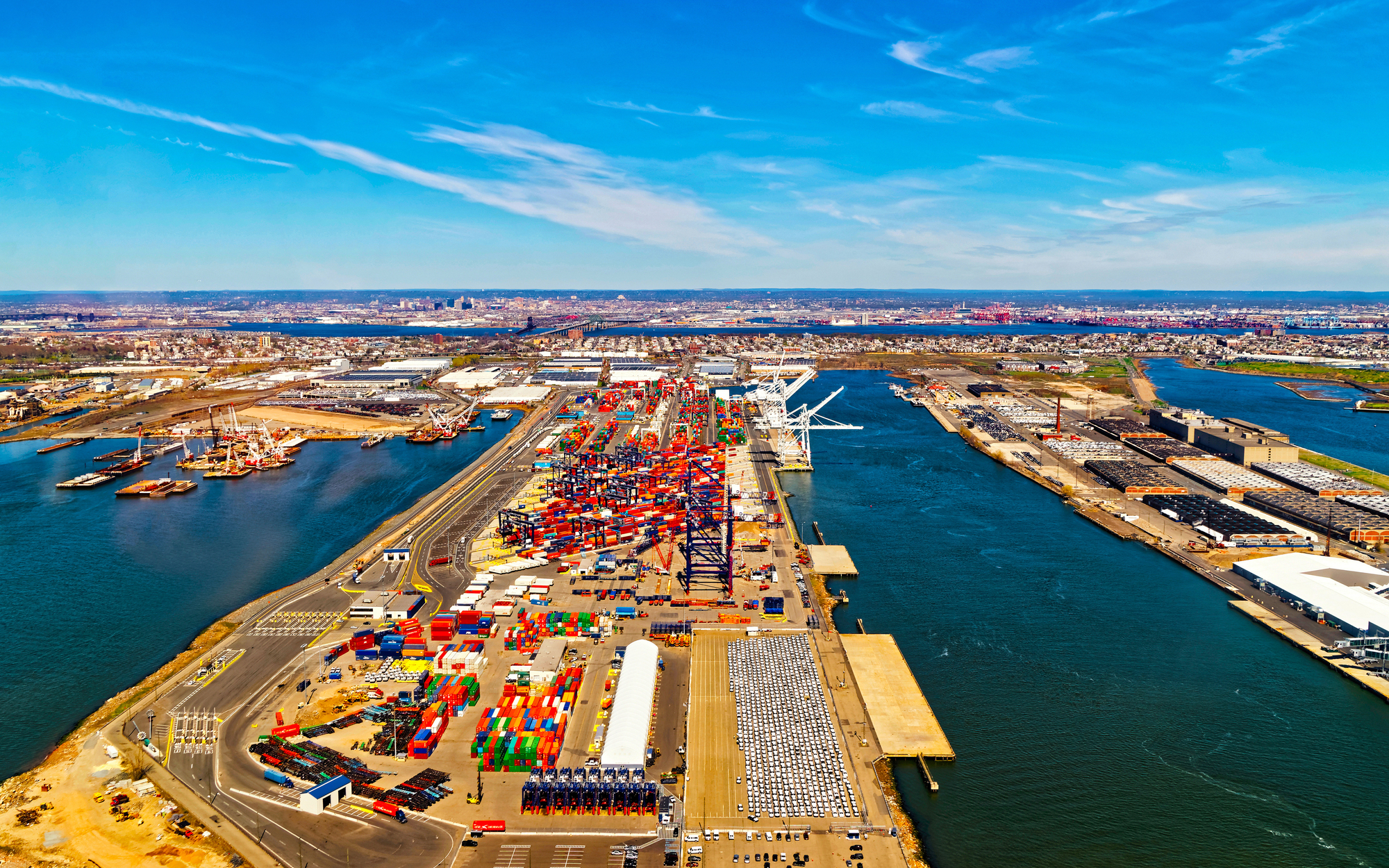
Provide the exact port, marine terminal, rail ramp, warehouse, or other pickup facility. Saying “New Jersey port” is not specific enough when appointments, operating procedures, and equipment availability can differ by terminal.
For an import container, the drayage provider may also request the steamship line, vessel information, container number, bill of lading, terminal availability, and release status. Some of these details may not be available when the first quote is requested, but the pickup terminal and anticipated arrival date should be identified as early as possible.
Port logistics can change quickly. Everlast’s overview of common drayage challenges explains why terminal appointments, chassis availability, paperwork, and free time should be considered before the container becomes available.
The complete delivery address allows the carrier to review mileage, tolls, route restrictions, bridge clearances, and state-specific weight rules.
The delivery location itself matters as much as the route. Let the provider know the facility’s receiving hours, appointment requirements, and any access limitations. Tight entrances, restricted roads, low clearances, and limited space for maneuvering can affect the transportation plan.
Also explain how long unloading is expected to take and whether the container will be live-unloaded or dropped. If the facility cannot unload promptly, the quote may need to account for waiting time, storage, a drop arrangement, or transloading.
Share the estimated arrival date, container availability date, last free day, requested delivery date, and any appointment deadlines.
The last free day is particularly important for port freight. If the container remains at the terminal too long, demurrage charges may begin. Once it leaves the terminal, detention may apply if the equipment is not returned within the allotted time.
Our article on Demurrage vs. Detention provides a closer look at how these charges can affect containerized shipments.
A last-minute overweight move may cost more than one planned in advance because the provider must secure specialized equipment, drivers, appointments, and any necessary permits within a shorter window.
You do not necessarily need to determine this yourself. The drayage provider can evaluate the shipment and recommend the appropriate equipment.
However, mention any equipment or permit requirements already identified by the shipper, terminal, or receiving facility. A tri-axle chassis can distribute weight across additional axles, but it does not automatically make every heavy container legal on every route.
Depending on the shipment and route, the move may require permits, route planning, escorts, or other measures. Accurate weights and addresses help the provider make that determination before dispatch rather than during an awkward roadside conversation.
For import shipments, the job may not end at delivery. The carrier needs to know which steamship line controls the equipment and where the empty container is expected to be returned.
Return locations can change, and appointment availability may affect the schedule. If the container will be dropped at the receiver, explain when it is likely to be empty and ready for pickup.
Including the full container cycle in the quote helps avoid confusion about additional miles, chassis time, waiting, and detention exposure.
A complete overweight container quote request should identify the container, verified weight, commodity, pickup terminal, delivery address, schedule, unloading plan, and empty-return requirements. Photos, packing lists, bills of lading, and other supporting documents may also help clarify unusual shipments.
Everlast Logistics coordinates overweight and intermodal freight using specialized equipment and experienced drivers. Submit the available shipment details through our freight quote form to begin planning your container move.
Provide the estimated arrival date, expected weight, container type, pickup terminal, and delivery address. The quote can be refined if shipment details change before arrival.
The answer depends on the container weight, axle distribution, equipment, route, and applicable regulations. A provider may use a tri-axle chassis or other equipment, but some shipments can still require permits.
The empty-return location affects mileage, scheduling, chassis usage, and detention risk. Including it allows the carrier to price the complete container cycle rather than only the loaded delivery.