Menu
The ability to move freight efficiently across modes isn’t just an advantage, it’s a necessity. As customer expectations rise and supply chains grow more complex, shippers are turning to smarter solutions to reduce costs and speed up delivery. Two of the most effective strategies? Cross-docking and transloading.
When used together, these two methods create a powerful combination that streamlines operations, shortens transit times, and maximizes every mile your freight travels. Let’s learn more!
While both cross-docking and transloading focus on efficiency, they serve slightly different purposes:
Together, they bridge the gap between long-haul shipping and last-mile delivery, keeping freight flowing smoothly through each stage of the supply chain.
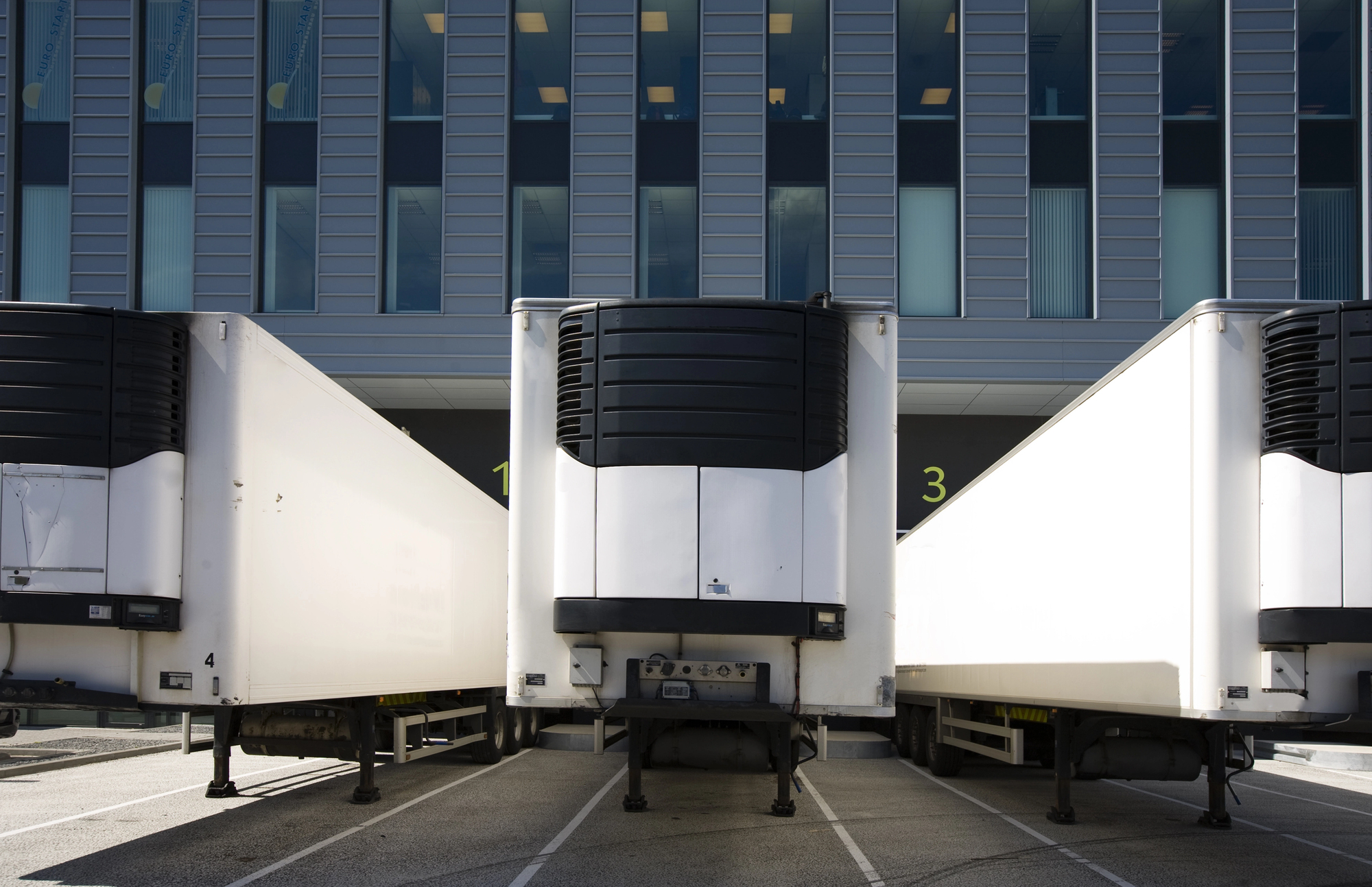
When freight arrives at a distribution hub, a cross-docking operation quickly identifies, sorts, and loads it for the next leg of its journey. When transloading is layered in, that same freight can move seamlessly between modes. For example, from a port to a rail ramp or from rail to truck, without costly delays or storage time.
This integrated approach allows businesses to bypass traditional warehousing, reduce congestion, and get shipments to their final destination faster.
By combining these methods, freight moves more directly and is handled fewer times. That means less manual labor, fewer opportunities for damage, and a significant reduction in warehouse costs.
With products spending less time sitting still, companies can reduce both storage and handling expenses while keeping inventory levels lean.
Cross-docking and transloading work hand in hand to cut time out of the supply chain. Freight transfers directly from one mode or trailer to another, reducing dwell time at terminals and eliminating unnecessary steps.
For businesses competing in markets that demand two-day or next-day delivery, this speed is a major advantage.
Supply chains need flexibility to adapt to seasonal peaks, port congestion, or changing demand. With combined cross-docking and transloading, shippers can reroute freight in real time, redirecting loads between trucks, rail, or other carriers as needed. This agility keeps operations running smoothly even when conditions shift.
Every mile and every minute matter in logistics. By combining cross-docking’s direct flow with transloading’s modal flexibility, companies can achieve higher throughput, faster turnaround, and measurable cost savings. The result is a smarter, more efficient supply chain built to perform under pressure, without sacrificing reliability.